
Worshipper Arrested for Praying on Railing at Masjid al-Haram
By Abdulrazaq auwal
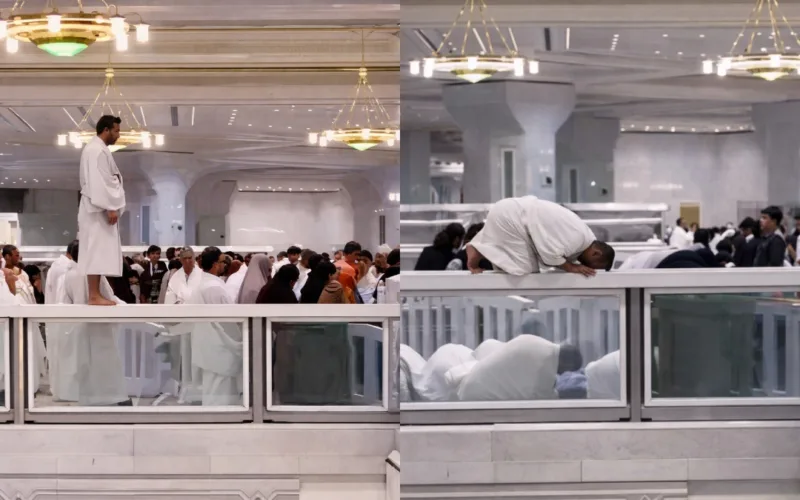
Authorities in Saudi Arabia have confirmed the arrest of a worshipper found praying atop a railing inside Masjid al-Haram on the 27th night of 2026 Ramadan.
The incident unfolded during one of the most spiritually significant and busiest nights in the Islamic calendar, widely regarded as Laylat al-Qadr, when the Grand Mosque in Makkah was filled to maximum capacity with hundreds of thousands of worshippers observing late-night prayers.
According to security officials, the individual climbed onto a railing within the mosque and positioned himself to pray while elevated above a tightly packed congregation below.
The act immediately raised safety concerns, given the extreme congestion and the inherent risk of falling from height into a dense crowd.
Personnel of the Special Forces for Hajj and Umrah Security acted swiftly after being alerted by vigilant worshippers who noticed the dangerous situation and promptly notified authorities.
The security operatives moved to the scene, removed the individual from the railing, and took him into custody, completing necessary legal procedures on the spot.
Authorities stressed that the risk posed by the act was significant and potentially fatal. A minor loss of balance or movement during prayer could have resulted in a fall, endangering not only the individual but also dozens of worshippers directly beneath him.
In a follow-up statement, Public Security issued a reminder that prayers within the Grand Mosque must be conducted strictly in designated areas.
Climbing onto railings, barriers, or elevated structures is strictly prohibited and constitutes a violation of safety regulations.
Officials emphasised that such rules are critical to maintaining order and safeguarding lives, particularly during the final nights of Ramadan when crowd density reaches its peak.
The incident also highlighted the importance of public vigilance, as timely intervention by fellow worshippers helped avert a potentially serious tragedy.