
Hajj 2026 Begins: First Pilgrim Flights Land in Saudi Arabia as Makkah Route Expands
By Auwal Ahmad Umar
The 2026 Hajj season officially commenced on Saturday, the 1st of Dhul Qa’dah, with the arrival of the first wave of international pilgrims into Saudi Arabia, marking the start of global pilgrimage movements into the Kingdom.
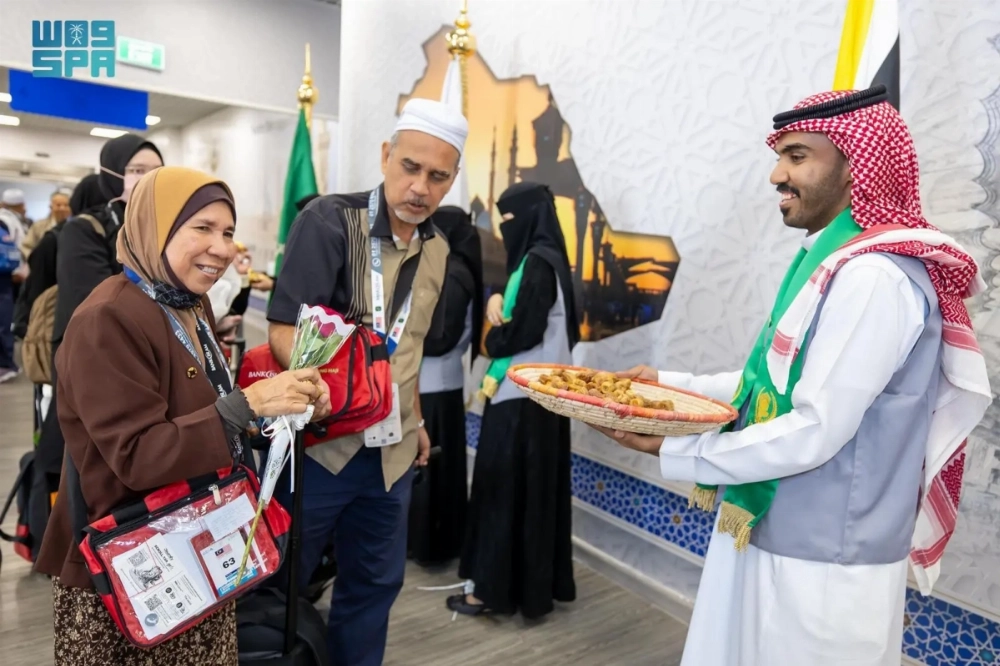
Pilgrims from countries including Türkiye, Pakistan, Malaysia, Bangladesh, and India touched down at key entry points, notably Prince Mohammed bin Abdulaziz International Airport and King Abdulaziz International Airport. While the majority arrived in Madinah, others were received in Jeddah, where Saudi officials and foreign diplomats welcomed them with coordinated reception ceremonies.
Authorities at the Madinah airport processed early arrivals efficiently, including a group of Turkish pilgrims departing from Ankara under the Makkah Route programme. Similarly, the first contingent from Pakistan, which departed from Karachi, was formally received upon arrival by Saudi officials alongside representatives of the Pakistani mission.
In a related development, Saudi Arabia activated an additional departure hub for Pakistani pilgrims in Lahore, strengthening the Makkah Route framework. The launch event drew senior government officials, including Pakistan’s Minister of Religious Affairs and Saudi diplomatic representatives, underscoring the growing scope of the initiative.
Flights carrying Malaysian pilgrims from Kuala Lumpur also arrived in Madinah, while Bangladesh began its airlift with a departure from Dhaka bound for Jeddah. Officials in Bangladesh, including senior government representatives, were present at the airport to bid farewell to intending pilgrims.
India also commenced its pilgrimage operations, with its first group of pilgrims landing in Madinah from Mumbai. According to the Indian mission in Saudi Arabia, the delegation was received by senior Saudi Hajj officials and Indian diplomatic representatives. Additional flights from various Indian cities are expected to follow, with private pilgrims also arriving through Jeddah.
Saudi Arabia’s immigration authorities reiterated their preparedness to manage the influx, noting that advanced digital systems and trained personnel have been deployed across all entry points to ensure smooth processing for pilgrims arriving by air, land, and sea.
The Makkah Route initiative, spearheaded by Ministry of Interior, continues to play a central role in facilitating seamless travel for pilgrims. Now in its eighth year, the programme has expanded to include 10 participating countries, with Senegal and Brunei joining for the first time. Since its inception in 2017, the initiative has assisted over 1.2 million pilgrims.
The system allows intending pilgrims to complete key travel procedures — including biometric registration, visa issuance, and health verification — in their home countries. Upon arrival in Saudi Arabia, participants bypass standard immigration queues and are transported directly to their accommodations in Makkah or Madinah, with luggage delivered separately through coordinated logistics arrangements.
The initiative is implemented in collaboration with several government agencies, including the Ministries of Foreign Affairs, Health, Hajj and Umrah, and Media, as well as aviation, customs, and data authorities, reflecting a multi-sectoral approach to managing one of the world’s largest annual religious gatherings.
Meanwhile, preparations at the Grand Mosque in Makkah included the routine elevation of the lower portion of the Kaaba’s covering, known as the Kiswa. A team of skilled technicians carefully raised the silk cloth and secured a protective white fabric around its base, a standard measure designed to preserve the material during the intense crowds expected during Tawaf.
Officials noted that the exercise was carried out under strict safety and operational guidelines, highlighting the Kingdom’s continued commitment to maintaining the sanctity and structural integrity of Islam’s holiest site as millions of pilgrims converge for the annual rites.