
Who Must Perform Hajj — Who Should Not and Why
By Abdulrazaq Auwal
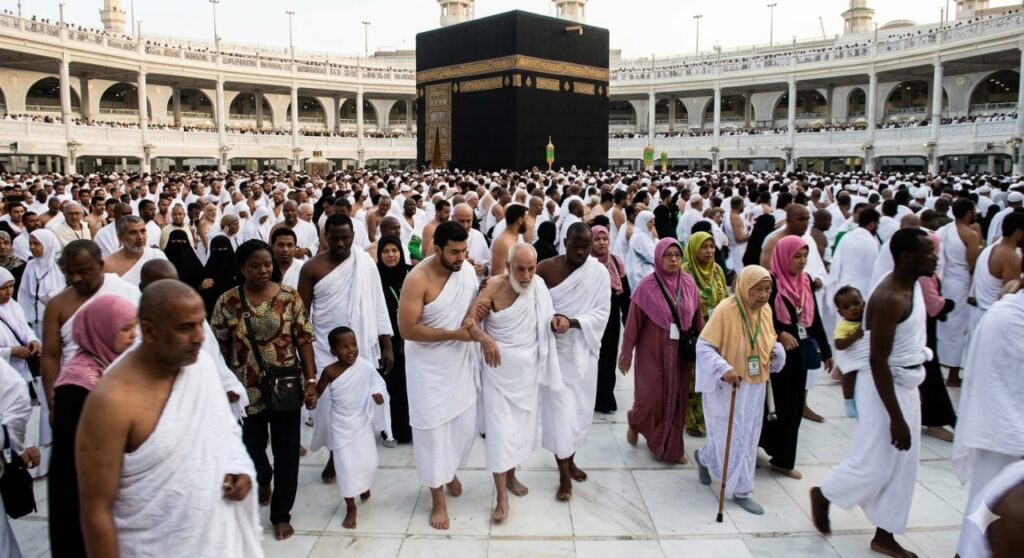
Every year, millions of Muslims around the world aspire to perform the sacred pilgrimage to Ka’aba in Makkah. For many believers, the journey represents the pinnacle of spiritual fulfillment and a lifelong dream.
Yet Islamic scholars consistently emphasize an important point that is often misunderstood: “Hajj is not mandatory for every Muslim in every circumstance”. While it is one of the five pillars of Islam, the obligation applies only to those who meet specific conditions outlined in Islamic teachings.
Understanding who must perform Hajj and who should postpone or avoid the journey is essential to preserving the purpose of the pilgrimage.
The Religious Basis of Hajj Obligation
The obligation of Hajj is rooted in the Qur’anic command that pilgrimage to the Sacred House is required for those who have the ability to undertake the journey.
The Sacred House refers to the Ka’aba, located inside the Grand Mosque in Makkah in Saudi Arabia. For Muslims who meet the necessary conditions, performing Hajj at least once in their lifetime becomes a religious duty. However, Islamic scholars explain that ability is the key determinant.
Who Must Perform Hajj
Islamic jurisprudence identifies several conditions that must be fulfilled before Hajj becomes obligatory.
The Person Must Be Muslim: Hajj is an act of worship prescribed only for Muslims. It is one of the core pillars that define Islamic practice.
The Person Must Be an Adult: Children may accompany their parents to Hajj, but the pilgrimage does not count as their obligatory Hajj. The duty begins only after reaching maturity.
The Person Must Be Mentally Sound: Individuals who are not mentally capable of understanding or performing acts of worship are not obligated to perform Hajj.
Financial Ability: Perhaps the most significant condition is financial capability. A Muslim is required to have enough resources to cover the cost of the pilgrimage while also ensuring that their dependents remain financially secure during their absence.
READ ALSO: https://hajjgazette.com/history-the-abrahs-failed-attempt-to-rival-kaabah/
Scholars emphasize that borrowing money, selling essential assets, or putting one’s family in hardship to perform Hajj contradicts the spirit of the obligation.
Physical Ability: Pilgrims must be physically capable of performing the rites, which involve walking long distances, standing in prayer for extended periods, and enduring large crowds.
Safe and Legal Access to Travel: A Muslim must have a safe route and legal authorization to travel to Makkah. Modern Hajj systems include visa requirements and national quotas administered through governments and pilgrimage boards.
Who Should Not Perform Hajj or Should Delay It
While the desire to perform Hajj is commendable, Islamic teachings also emphasize responsibility and balance. There are circumstances where individuals are advised not to undertake the pilgrimage.
People With Serious Debts: Scholars widely agree that individuals who owe significant debts should prioritize settling those obligations before embarking on Hajj.
Those With Serious Health Conditions: The rites of Hajj involve strenuous physical activity, especially during rituals performed in and around Makkah. Those with severe illnesses or medical risks may be advised to delay the pilgrimage.
Individuals Unable to Support Their Families: If a person’s absence or financial spending on Hajj would leave dependents in hardship, the obligation is considered lifted until circumstances improve.
People Without Legal Authorization: Travel restrictions and Hajj quotas implemented by authorities in Saudi Arabia mean that only pilgrims with proper permits can participate. Attempting the pilgrimage without authorization can create logistical and legal challenges.
Those Facing Safety Risks: Islamic law prioritizes safety. If travel routes are unsafe or conditions are dangerous, the obligation may be postponed.
The Principle of Mercy in Islamic Law
Islamic scholars often emphasize that the rules governing Hajj reflect a broader principle of mercy in the faith. The pilgrimage is not meant to impose hardship or financial distress.
Instead, the obligation is designed to ensure that those who undertake the journey can do so with dignity, preparation, and peace of mind.
A Journey Meant for Those Who Are Ready
For Muslims who meet the conditions, performing Hajj remains one of the most profound spiritual experiences in Islam. The journey to the Sacred House in Makkah represents a powerful symbol of unity, devotion, and submission to God.
But for those who do not yet meet the requirements, scholars stress that patience is not a failure of faith.
Rather, waiting until the right conditions are met ensures that when the pilgrimage is finally undertaken, it is performed in the spirit of sincerity and readiness that Hajj is meant to embody.