
The Need to Reintroduce Capacity-Building for Hajj Information Managers
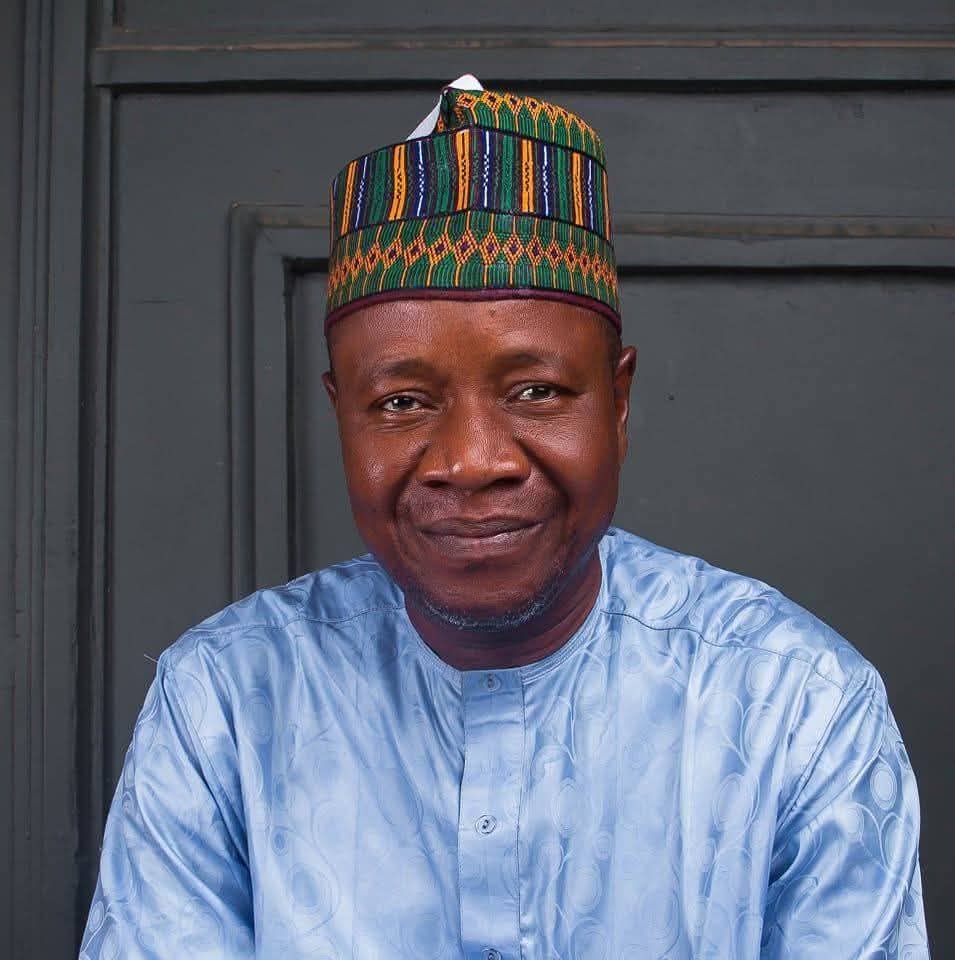
By Faruku Umar
The successful conduct of Hajj operations in Nigeria depends not only on logistics and administration but also on effective communication and information management.
In this regard, Hajj information managers play a critical role in shaping public perception, disseminating accurate information, and ensuring transparency in the activities of the National Hajj Commission of Nigeria (NAHCON) and the various State Pilgrims Welfare Agencies, Boards, and Commissions.
It is therefore imperative for NAHCON and the State bodies to revive the long-standing tradition of organizing regular capacity-building workshops for these information managers.
Historically, such workshops provided a valuable platform for training, coordination, and professional development. They helped standardize information flow across all states, ensuring that public messages were accurate, timely, and consistent with official policies. Given the dynamic nature of Hajj operations where policies, Saudi regulations, health protocols, and logistics frequently change, information managers must be continuously updated and equipped with the requisite skills to communicate effectively.
One compelling reason to reintroduce these workshops is the growing influence of digital and social media. Today, information spreads faster than ever, and misinformation can easily cause confusion, anxiety, or distrust among intending pilgrims and the general public. Well-trained information managers, equipped with modern communication skills and strong ethical standards, are essential to counter false narratives, manage crises, and provide clear, factual updates. Workshops offer the ideal opportunity to train officers in digital communication strategies, media relations, content creation, and crisis communication, skills that are now indispensable.
Furthermore, workshops foster synergy and collaboration between NAHCON and the State Pilgrims Welfare Agencies. When information managers from different states convene, they can share experiences, challenges, and best practices. This interaction promotes uniformity in messaging, strengthens institutional relationships, and ultimately enhances the overall coordination of Hajj operations nationwide. It also creates a common understanding of NAHCON’s policies and expectations, thereby reducing discrepancies in public communication.
Capacity-building workshops also contribute significantly to the professionalism and morale of information officers. Continuous training affirms the importance of their role within the Hajj management structure and motivates them to perform their duties with greater dedication and accountability. Additionally, it keeps them abreast of evolving trends in public relations, media ethics, and information management, ensuring that Hajj institutions are represented with credibility and integrity.
Organized workshops also provide a structured avenue for NAHCON to brief information managers directly on new policies, reforms, and strategic objectives. This ensures that official narratives are clearly understood and correctly communicated at the grassroots level. Such direct engagement minimizes public speculation and enhances trust in Hajj institutions.
In conclusion, the reintroduction of regular workshops for Hajj information managers by NAHCON and the State Pilgrims Welfare Agencies, Boards, and Commissions is both timely and necessary. In an era defined by rapid information exchange and heightened public scrutiny, effective communication is not optional, it is essential. By investing in the training and coordination of information managers, NAHCON and the states will strengthen transparency, improve public confidence, and contribute significantly to the smooth and successful conduct of Hajj operations in Nigeria.
Faruku Umar is the Head of Information and Communications for the Sokoto State Pilgrims Welfare Agency.