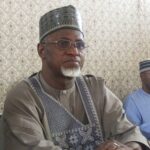


Governor Ahmad Aliyu Sokoto and His Transformational Contributions to Hajj Administration in Sokoto State.
By Faruku Umar
Hajj is one of the most sacred obligations in Islam, requiring not only spiritual readiness but also strong institutional coordination to ensure a smooth and successful pilgrimage. In Sokoto State, the role of government in facilitating this religious duty has become increasingly significant. Under the leadership of Governor Ahmad Aliyu Sokoto State Governor, notable strides have been made in strengthening the operations of the Sokoto State Pilgrims Welfare Agency, improving the welfare of pilgrims, and enhancing the overall Hajj experience.
Strengthening Institutional Efficiency
One of the key contributions of Governor Ahmad Aliyu has been the renewed focus on institutional reforms within the Sokoto State Pilgrims Welfare Agency (SSPWA). His administration has emphasised professionalism, transparency, and accountability in the selection, screening, and management of intending pilgrims. This has helped restore confidence among citizens, ensuring that the Hajj process is more organised and credible.
Improved Welfare and Logistics
Recognizing the physical and emotional demands of Hajj, the Governor has prioritized the welfare of pilgrims. Efforts have been made to ensure better accommodation, feeding arrangements, and transportation logistics both within Nigeria and in Saudi Arabia. These improvements have reduced the stress often associated with the pilgrimage and allowed pilgrims to focus more on their spiritual obligations.
Timely Preparation and Coordination
Governor Ahmad Aliyu’s administration has also ensured early planning and coordination with relevant stakeholders, including federal Hajj authorities and service providers in Saudi Arabia. This proactive approach has minimized last-minute challenges and enhanced the efficiency of the entire process—from registration to departure and return.
Capacity Building and Leadership Support
The Governor has demonstrated strong support for the leadership of the SSPWA by appointing capable individuals and encouraging continuous capacity building for staff. Training programs and orientation exercises for both officials and pilgrims have been strengthened, ensuring better preparedness and adherence to Hajj guidelines.
Promoting Spiritual Integrity
The administration has focused on keeping the spiritual importance of Hajj alive. They have increased awareness campaigns and pre-departure talks to help pilgrims understand how to behave, stay sincere, and avoid actions that could disrespect the pilgrimage.
Enhancing Sokoto’s Reputation
Through these efforts, Sokoto State has continued to build a positive reputation in Hajj administration at the national level. The improved coordination and welfare services have positioned the state as one of the more organised in managing pilgrim affairs, reflecting the administration’s commitment to excellence.
Conclusion
Governor Ahmad Aliyu has made significant contributions to Hajj administration and the Sokoto State Pilgrims Welfare Agency, reflectingment to good governance and religious responsibility. By focusing on efficiency, welfare, and spiritual guidance, his administration has improved the Hajj experience for pilgrims and strengthened public trust in the system.
As these reforms continue to take root, Sokoto State stands to further consolidate its position as a model in Hajj administration—ensuring that every intending pilgrim can fulfil this sacred obligation with ease, dignity, and devotion.
Faruku Umar
Head of Information and Communications,
Pilgrims Welfare Agency, Sokoto.