

Understanding Tafweej in Hajj: A Guide for Pilgrims
By Faruku Umar
Hajj is one of the largest annual religious gatherings in the world, drawing millions of Muslims to the holy cities of Makkah and Madinah. Due to the sheer number of pilgrims, careful planning and organization are essential to ensure safety, order, and the smooth performance of rituals. One of the key systems introduced to achieve this is known as Tafweej.
What is Tafweej?
Tafweej is an organized system of scheduling and controlling the movement of pilgrims from one ritual site to another during Hajj. The word “Tafweej” comes from Arabic, meaning “dispatching in groups.” It is designed to prevent overcrowding, reduce congestion, and ensure that pilgrims can perform their rites safely and comfortably.
Why Tafweej is Important
During Hajj, certain rituals—such as Tawaf (circling the Kaaba), Sa’i (walking between Safa and Marwah), and especially the stoning of the Jamarat in Mina—attract massive crowds. In the past, unmanaged crowds led to dangerous stampedes and accidents.
Tafweej helps to:
- Control crowd movement
- Enhance safety and security
- Reduce waiting time and stress
- Ensure equal access to ritual sites
- Improve overall pilgrim experience
How Tafweej Works
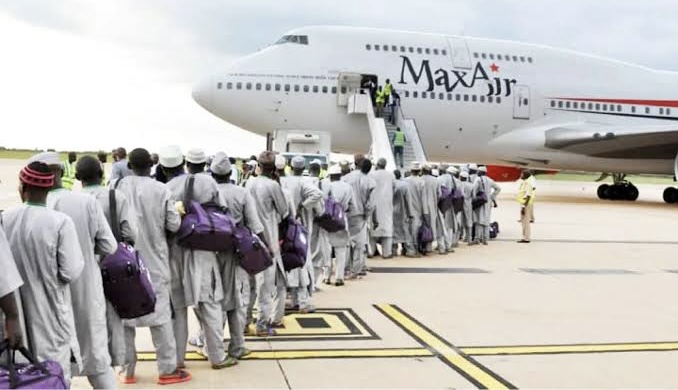
Under the Tafweej system, pilgrims are grouped according to their countries, agencies, or camps. Each group is assigned specific time slots to perform certain rituals. Movement is coordinated by Hajj authorities in collaboration with pilgrim welfare agencies.
For example:
- Pilgrims are scheduled in batches to perform the stoning at the Jamarat bridge
- Transport to and from Arafat, Muzdalifah, and Mina is arranged in phases
- Entry and exit routes are clearly defined and monitored
- Officials, guides, and security personnel are stationed at key points to direct pilgrims and ensure compliance with schedules.
Role of Pilgrim Welfare Agencies
Agencies such as state pilgrims welfare boards play a vital role in implementing Tafweej. They:
- Educate pilgrims before departure
- Provide detailed movement schedules
Assign group leaders to guide pilgrims
- Ensure pilgrims adhere strictly to their allotted times
Pilgrims are strongly advised to follow the instructions of their officials to avoid confusion or delays.
Benefits of Tafweej
The introduction of Tafweej has significantly improved Hajj operations in recent years. Its benefits include:
- Safer environment with reduced risk of accidents
- Better time management for rituals
- Less physical exhaustion for pilgrims
- Improved coordination among authorities
Challenges and Responsibilities
While Tafweej is highly effective, its success depends largely on pilgrims’ cooperation. Some challenges include:
- Pilgrims missing their scheduled time
- Lack of awareness or misunderstanding of instructions
- Language barriers
To overcome these, continuous education and clear communication are essential.
Tips for Pilgrims
- Always follow your group leader’s instructions
- Stick to your assigned schedule
- Avoid moving alone or outside your group
- Stay patient and cooperative
- Keep identification and relevant documents with you at all times
Conclusion
Tafweej is a vital system that ensures the safety, order, and success of Hajj operations. By organizing the movement of millions of pilgrims into manageable groups, it allows every Muslim to perform their religious duties with greater ease and peace of mind.
Understanding and adhering to Tafweej guidelines is not just a requirement—it is a shared responsibility that contributes to a safe and spiritually fulfilling Hajj experience.
Faruku Umar, Head of Information and Communications
Pilgrims Welfare Agency, Sokoto