

Physiotherapists Urge Intending Pilgrims to Adopt Aerobic Exercise Ahead of Hajj
By Hajj Gazette’s Team
Physiotherapists have urged intending Hajj pilgrims to adopt structured aerobic exercise well ahead of the pilgrimage, warning that poor physical preparedness could expose pilgrims to avoidable health risks during the spiritually significant but physically demanding journey.
The recommendation was made by Majida Adamu Musa, Chief Physiotherapist at the Gombe State Specialist Hospital, who explained that Hajj is a form of Ibadah that requires not only spiritual readiness but also adequate physical strength and endurance.
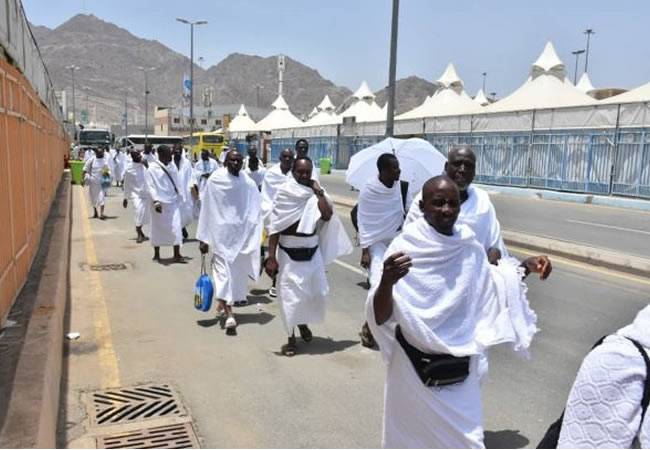
According to her, many of the core rites of Hajj involve prolonged standing, long-distance walking and repetitive movements that place considerable strain on the body.
Musa said physiotherapists recommend at least 30 minutes of aerobic exercise for a duration of six to twelve weeks for intending pilgrims who are not physically fit. She stressed that the process must begin with proper physical assessment to determine an individual’s fitness level before an appropriate exercise plan is prescribed.
“Following the assessment, aerobic exercise helps to prepare the pilgrim by improving both strength and endurance,” she said, explaining that aerobic exercise typically starts with a warm-up, followed by activities such as walking, sprinting, jogging and cycling, depending on the individual’s capacity and health status.
She cited the Day of Arafah, where pilgrims are required to stand for extended periods, and the Sa’i ritual between Safa and Marwah, which involves covering about 3.6 kilometers in seven rounds, as examples of physically demanding rites.

According to her, pilgrims who are not physically fit may struggle to fully perform these obligations, potentially diminishing their overall Hajj experience.
Musa noted that many intending pilgrims live sedentary lifestyles due to the nature of their work, such as office-based or commercial activities, making early intervention critical.
She added that physiotherapists play a key role in assessing pilgrims and designing tailored exercise programs that gradually build endurance without exposing them to injury.
Also speaking, Umar Abdullahi, Senior Physiotherapist at the Federal Teaching Hospital (FTH), Gombe, described Hajj as one of the most physically demanding mass gatherings in the world.
He noted that millions of pilgrims walk several kilometers daily under extreme heat, crowd pressure and fatigue, conditions that significantly increase the risk of joint pain, muscle strain, exhaustion and falls, particularly among elderly pilgrims.

From a health perspective, Abdullahi said Hajj should be viewed as a major public health exercise involving moderate-to-vigorous physical activity. He warned that unprepared pilgrims are more likely to experience musculoskeletal problems and physical exhaustion during the pilgrimage.
He therefore called on the National Hajj Commission of Nigeria (NAHCON) to expand its medical teams and integrate physiotherapists into Hajj health operations. According to him, the active involvement of physiotherapists at both the preparatory stage in Nigeria and during the pilgrimage would enhance preventive care, improve healthcare delivery and promote better welfare outcomes for Nigerian pilgrims.
Both experts emphasized that physical preparation for Hajj aligns with Islamic teachings on preserving health and with established public health best practices.
They urged intending pilgrims and relevant authorities to prioritize fitness, early assessment and preventive care as integral components of Nigeria’s Hajj preparations.