

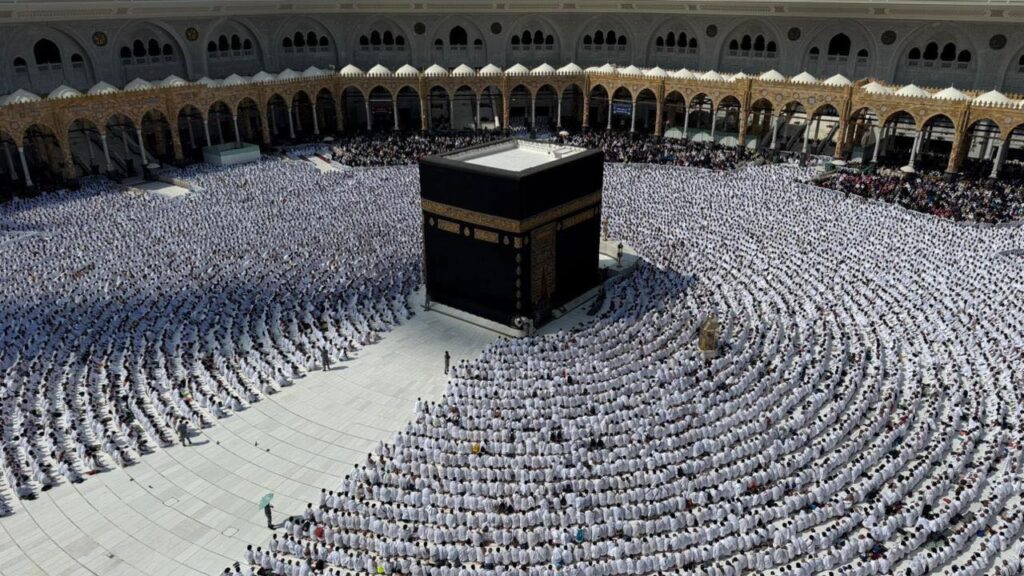
Opinion: Early Planning for Hajj Is No Longer Optional, But Strategic and Critical
By Auwal Ilyasu, Gombe
For years, many intending pilgrims operated under an assumption that Hajj deadlines were elastic. Extensions were sometimes granted. Portals were occasionally reopened. Late remittances could, in rare instances, be accommodated.
Well, that era is now over. Recent regulatory reforms by the Kingdom of Saudi Arabia have introduced far stricter enforcement of deadlines across the Hajj value chain.
Remittance cut-off dates are enforced without exception; data capture windows are fixed and visa processing portals now work on decisive deadline.
The flexibility previously enjoyed by participating countries, including Nigeria, is no longer part of the system.
For intending pilgrims in Nigeria, this shift has fundamentally changed the equation. The Hajj exercise, supervised by the National Hajj Commission of Nigeria (NAHCON), operates within a Saudi-controlled calendar.
Once a phase closes, there is no administrative back door. Missed deadlines now translate directly into exclusion. This reality makes early planning not just advisable, but critical.
The first step must be documentation discipline. Visiting the passport office a year or more ahead to secure or renew an international passport eliminates one of the most common last-minute obstacles.
Personal details must be accurate and consistent across all records. An expired passport or a minor name discrepancy can no longer be corrected casually when portals are already shut.
Financial readiness is equally strategic. In a quota-driven system where allocations are tied to confirmed payments within strict windows, intending pilgrims must have full funds prepared well before registration opens.
Waiting for fare announcements before beginning savings exposes individuals to exchange-rate volatility and compresses their ability to meet remittance deadlines.
Health preparation also demands foresight. Hajj is physically demanding, and mandatory vaccinations and medical certifications are now integrated into a tightly scheduled compliance structure.
Early medical evaluation allows sufficient time to manage chronic conditions and complete required procedures without jeopardizing eligibility.
The stricter Saudi framework has effectively eliminated the culture of last-minute adjustments. What was once negotiable is now procedural. What was once flexible is now fixed.
This shift carries an important lesson: intention alone no longer guarantees participation. Administrative readiness determines access.
Early preparation, securing documentation, organizing finances, updating medical records and completing foundational groundwork in advance, transforms Hajj from a seasonal rush into a structured project.
It also reduces vulnerability to fraud, financial distress and avoidable disappointment. The message is now clear.
In a system defined by non-negotiable deadlines and enforced compliance, the margin for delay has disappeared. For Nigerian intending pilgrims, early planning is no longer a matter of convenience. It is the decisive factor between participation and exclusion.
Auwal Ilyasu is a journalist based in Gombe state and can be reached through: auwalilyasu99@gmail.com