

Adamawa Commission Moves to Fast-Track Passport Processing Ahead of Hajj 2026
By Abdulrazaq Auwal
The Adamawa State Muslim Pilgrims Welfare Commission (ADSMPWC) has initiated measures to avert logistical bottlenecks in the run-up to Hajj 2026, engaging the Nigeria Immigration Service (NIS) to expedite passport issuance for intending pilgrims.
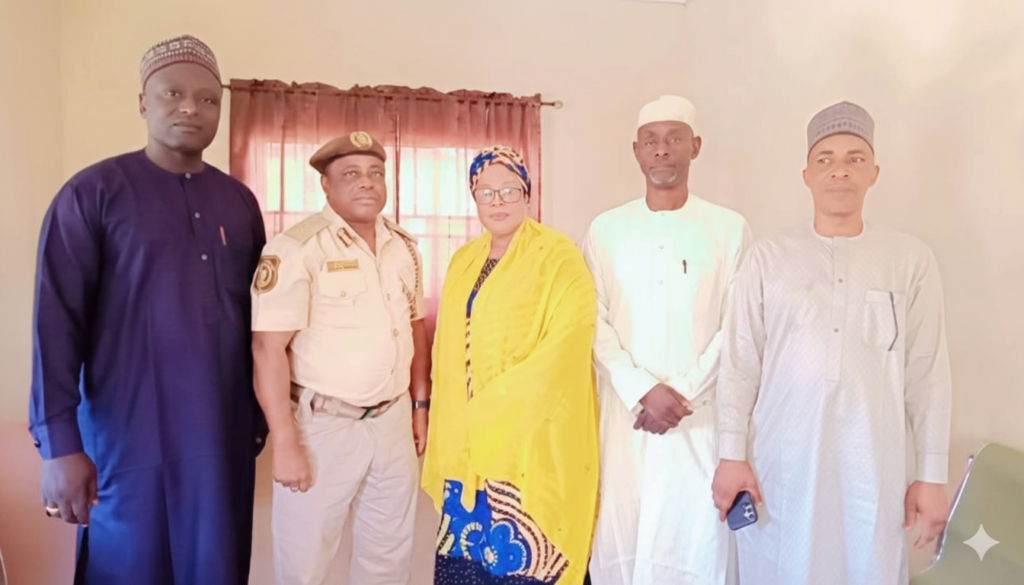
A five-member delegation from the Commission, led by the Director of Planning, Research and Statistics, Hajiya Maryam Abubakar Boda, met with officials of the Adamawa State Command of the NIS to seek priority processing of passports for prospective pilgrims.
According to a statement issued by the Department of Public Communications and Pilgrims Enlightenment, the delegation was dispatched by Acting Executive Chairman, Malam Abubakar Salihu.
Addressing the Immigration officials, the delegation emphasized that timely issuance of international passports is critical to meeting airline schedules, visa requirements and other international clearance deadlines associated with the pilgrimage. The team stressed that delays in passport issuance could jeopardize pilgrims’ ability to meet critical Hajj timelines.
The National Hajj Commission of Nigeria (NAHCON) had announced that the final deadline for visa issuance for Hajj 2026 is March 20, 2026, and warned that no extensions will be granted beyond the date, as reported by Hajj Gazette. Adherence to the deadline is essential to securing travel clearances and meeting Saudi authorities’ requirements.
Meanwhile, receiving the delegation on behalf of the State Comptroller of Immigration, Sule Sani Jega, the Deputy Comptroller, DC Bashir Kawu, assured the Commission of the Service’s readiness to cooperate fully.
He pledged that Hajj-related passport applications would receive special attention and be fast-tracked to minimize delays.
The Deputy Comptroller further emphasized the Immigration’s commitment to close collaboration with the Pilgrims Welfare Commission to address procedural challenges and improve turnaround time for applicants.
He said sustained coordination between both institutions would help eliminate avoidable bottlenecks in the processing chain.