

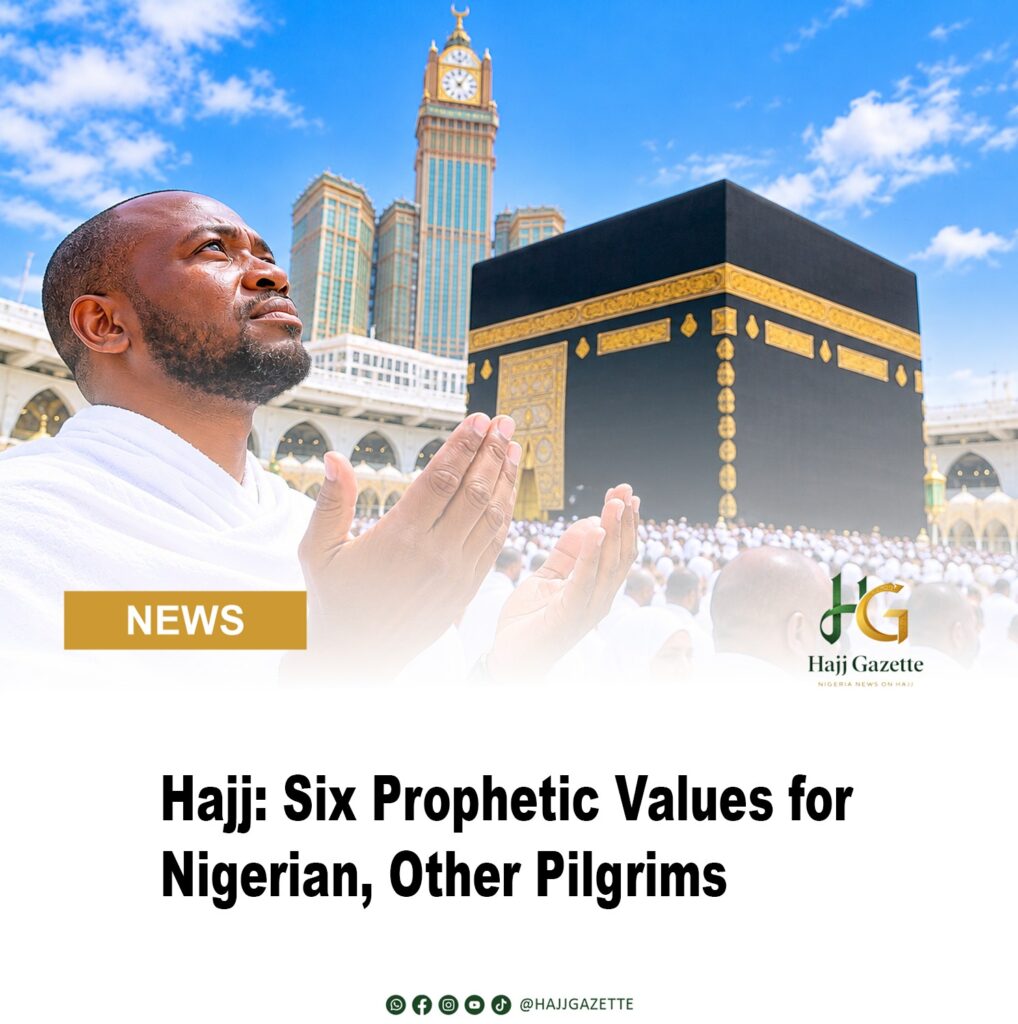
Hajj: Six Prophetic Values for Nigerian, Other Pilgrims
By Abdulrazaq Auwal
Saudi Arabia’s efforts to improve services for pilgrims have taken a cultural and moral dimension, with the Ministry of Hajj and Umrah showcasing six values drawn from the life and teachings of Prophet Muhammad (peace be upon him) as guiding principles for serving the Guests of Allah.
The values, showcased in an exhibition themed around lessons from the Prophet’s life, include brotherhood, coexistence, excellence (Ihsan), contentment, patience and nobility.
The exhibition connects these prophetic teachings with the responsibility of serving the Guests of Allah, emphasising that caring for pilgrims goes beyond providing accommodation, transportation, feeding and other logistical services.
For Nigerian pilgrims, who travel to Saudi Arabia from different ethnic, cultural and socioeconomic backgrounds, the emphasis on brotherhood offers an important lesson in unity, mutual support and peaceful coexistence.
The value draws inspiration from the brotherhood established between the Muhajirun (migrants) and Ansar (helpers) in Madinah, demonstrating the importance of solidarity and helping one another regardless of differences.
Similarly, the Charter of Madinah provides lessons on coexistence, cooperation and mutual respect, which are particularly relevant during Hajj, when millions of Muslims from different countries and cultural backgrounds gather for the same religious purpose.
The exhibition also highlights Ihsan, or excellence, encouraging pilgrims and those responsible for their welfare to approach their duties with sincerity, dedication and a commitment to doing things properly.
Hajj: Six Prophetic Values for Nigerian, Other Pilgrims
For Hajj administrators and service providers, including Nigeria’s National Hajj Commission (NAHCON), state pilgrims’ welfare boards and licensed tour operators, this principle reinforces the importance of delivering services with professionalism, compassion and respect for pilgrims.
Patience, another value highlighted in the exhibition, is particularly relevant to the physical and logistical demands of Hajj, which often involve long journeys, crowded locations, waiting periods and demanding religious activities.
Drawing lessons from the Prophet’s experience in Taif, the exhibition presents patience as an important quality for overcoming difficulties without losing composure or allowing temporary challenges to undermine one’s spiritual experience.
Contentment also offers pilgrims a lesson in managing expectations and appreciating what they have, while the emphasis on nobility encourages respect for personal dignity, privacy and the rights of others.
These values could also strengthen pilgrim education programmes in Nigeria if incorporated into pre-departure enlightenment activities organised by NAHCON and state pilgrims’ welfare boards.
Such programmes would complement religious instruction on Hajj rituals with practical guidance on discipline, tolerance, responsible conduct and consideration for fellow pilgrims.
Beyond Nigerian pilgrims, the exhibition offers lessons for Muslims from other countries, highlighting the importance of good character and mutual understanding in a gathering that brings together people of different nationalities, languages and backgrounds.
Ultimately, the message is that serving the Guests of Allah requires more than providing physical facilities. It also demands compassion, patience, excellence and respect for human dignity, values that remain relevant to both pilgrims and those entrusted with their welfare.